7 Signs Your Business Needs a Marketing System, Not Just More Ads
When growth stalls, the default reaction is almost always the same: spend more on ads. Sometimes that's the right call. Often, though, the real issue isn't visibility. It's what happens (or doesn't happen) after someone sees the ad. Here are seven signs your business needs stronger business automation systems before it needs a bigger ad budget.
1. Leads Come In, Then Go Quiet for Days
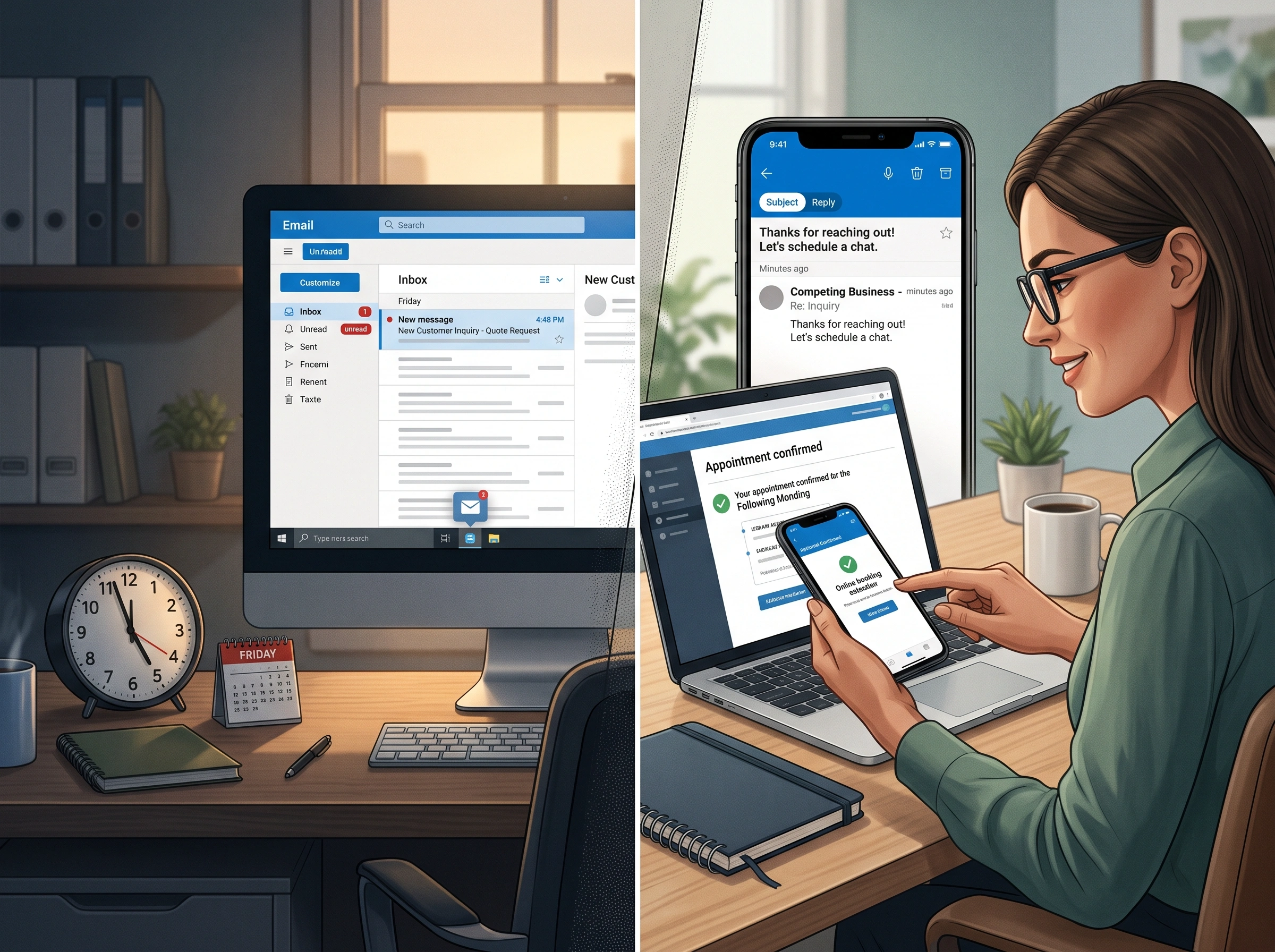
Someone fills out a form or calls in, and then nothing happens for 48 hours. Not because anyone's ignoring them on purpose. There's just no system making sure a new lead gets a response within minutes instead of whenever someone happens to check their inbox. By the time follow-up happens, that lead has often already gone with a competitor who called back first. It's rarely a people problem. It's a process that was never actually built.
2. Ad Spend Keeps Climbing, But Conversion Rate Keeps Dropping
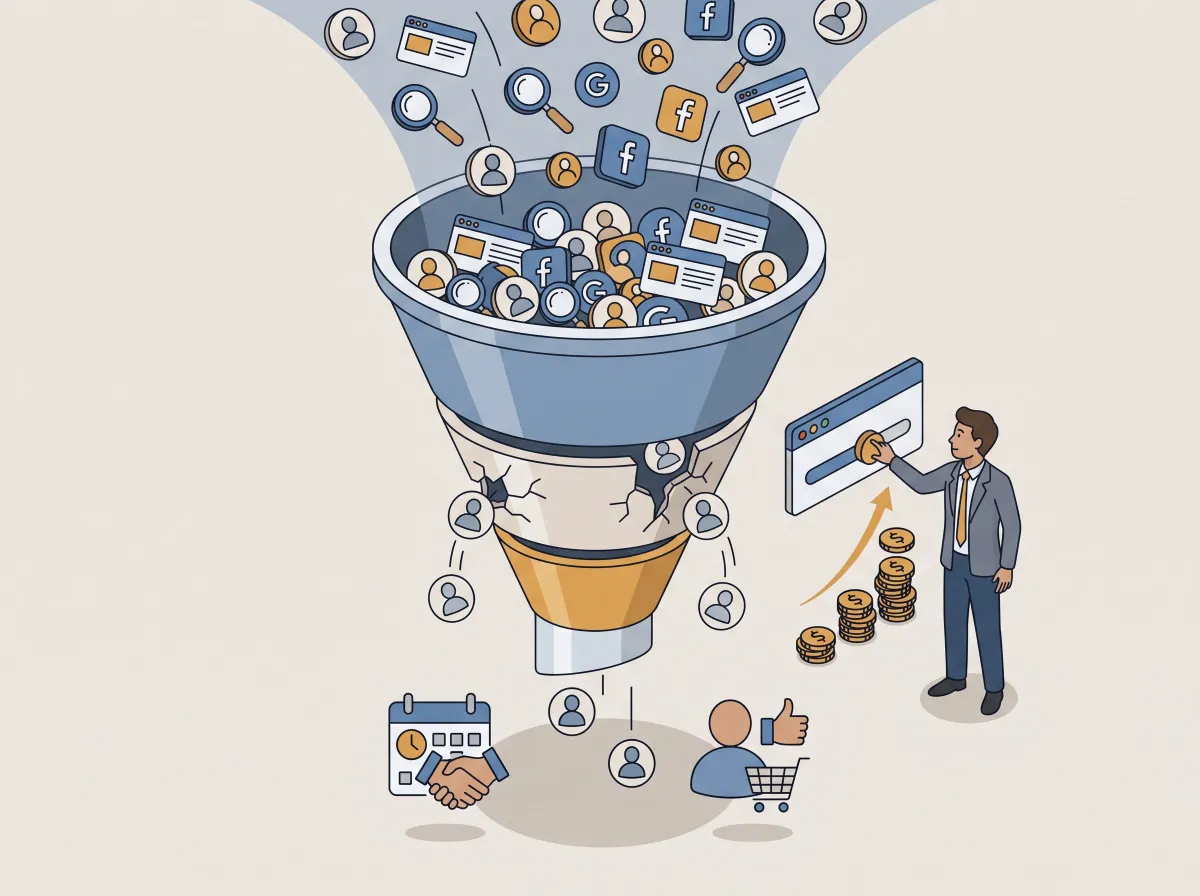
More traffic into a broken process doesn't fix the process. It just means more people hitting the same leak. If your cost per lead is creeping up while your close rate stays flat or drops, the problem usually isn't the ads. It's everything that happens after someone clicks one, and no amount of extra spend fixes a process that was never built as a real system in the first place.
3. Nobody Can Say Which Channel Is Actually Driving Revenue
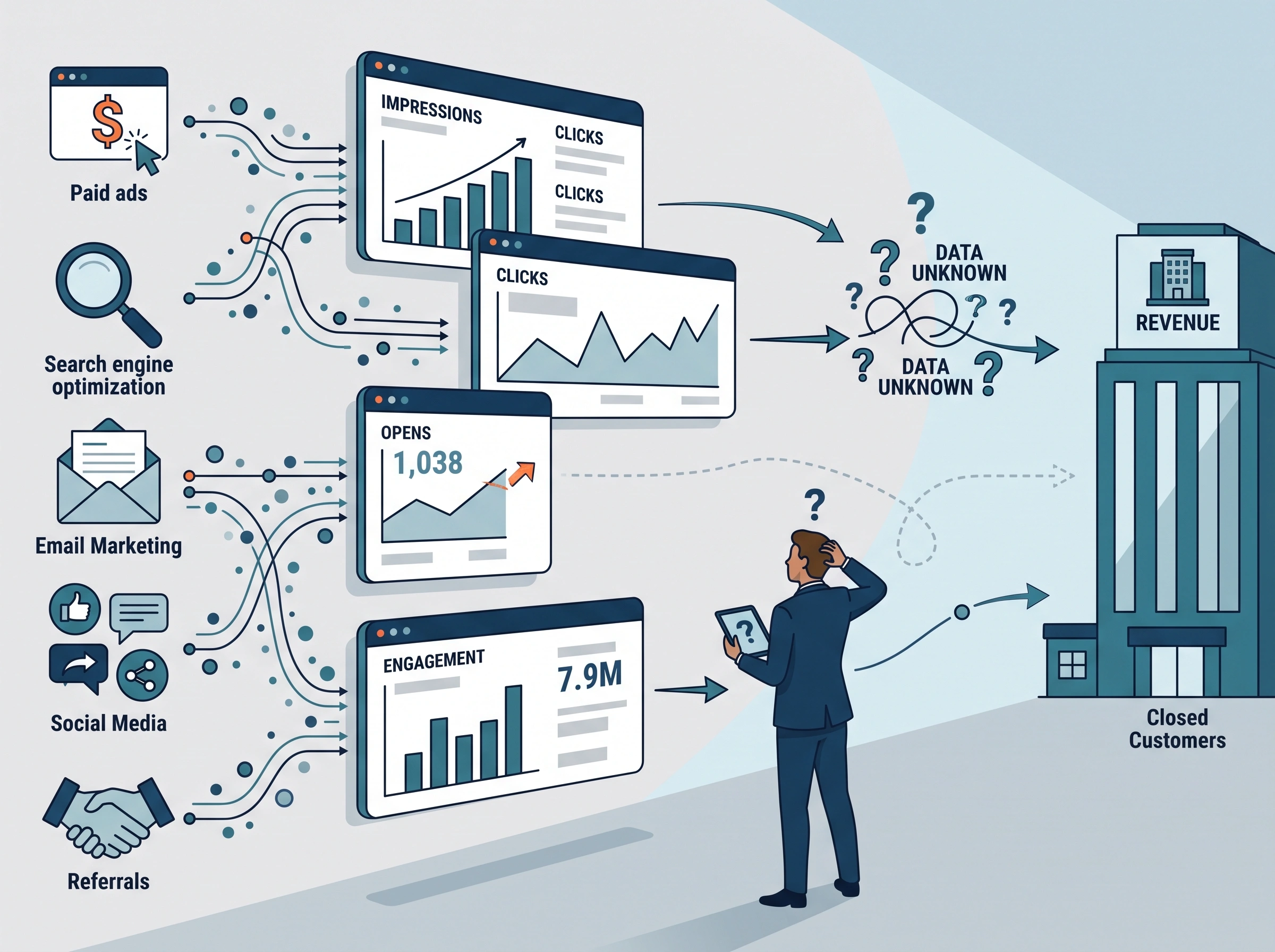
Ask which platform, campaign, or channel produced last month's closed deals, and if the honest answer is "we're not totally sure," that's a real problem. Impressions and clicks are easy to track. Revenue by source requires actual business automation systems working together, not five separate dashboards that don't talk to each other and a spreadsheet stitching them together by hand at the end of the month.
4. Someone Manually Follows Up With Every Single Lead
A person is a great way to build a relationship. A person is a terrible bottleneck for consistency. If every single follow-up email, text, or call depends on someone remembering to send it, response times will always be inconsistent, especially on busy days, weekends, or when that person is out sick.
5. Leads Fall Through the Cracks Between Tools That Don't Talk to Each Other
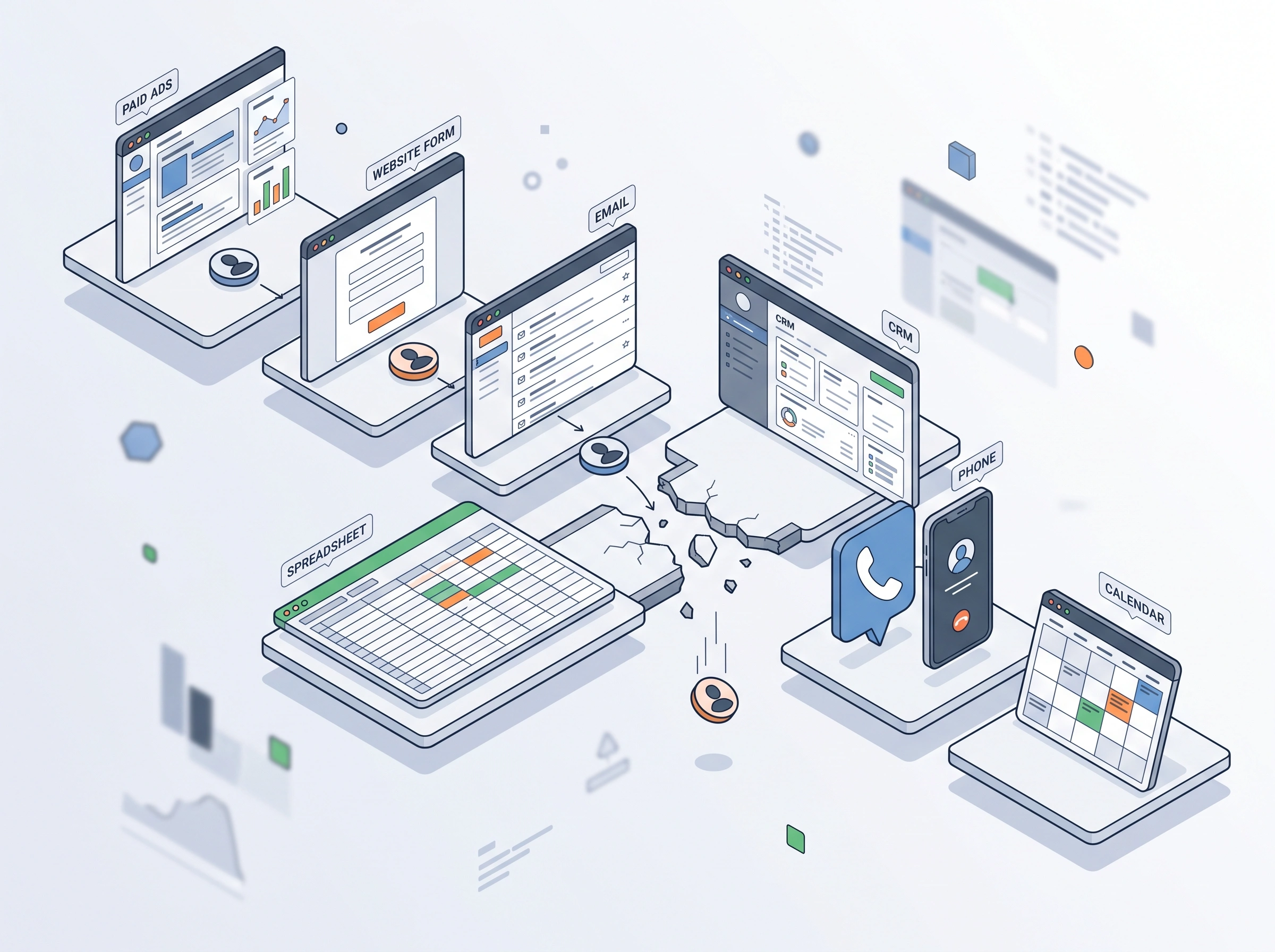
Ads live in one platform. Leads land in a spreadsheet or a separate inbox. Follow-up happens through a personal phone. Every handoff between disconnected tools is a place a lead can quietly disappear, and most businesses never find out how many actually do. This is usually the clearest sign that the pieces exist but were never actually wired together into one system.
6. The Whole Pipeline Depends on One Person Remembering Something
If the business would visibly struggle the moment one specific employee took a week of vacation, that's not a staffing issue. That's a sign the pipeline runs on memory instead of a real marketing automation platform that keeps working whether or not any one person is watching it that day. A platform doesn't take vacation, forget to follow up, or have an off day.
7. Every Report Is Impressions and Clicks, Never Booked Calls or Revenue
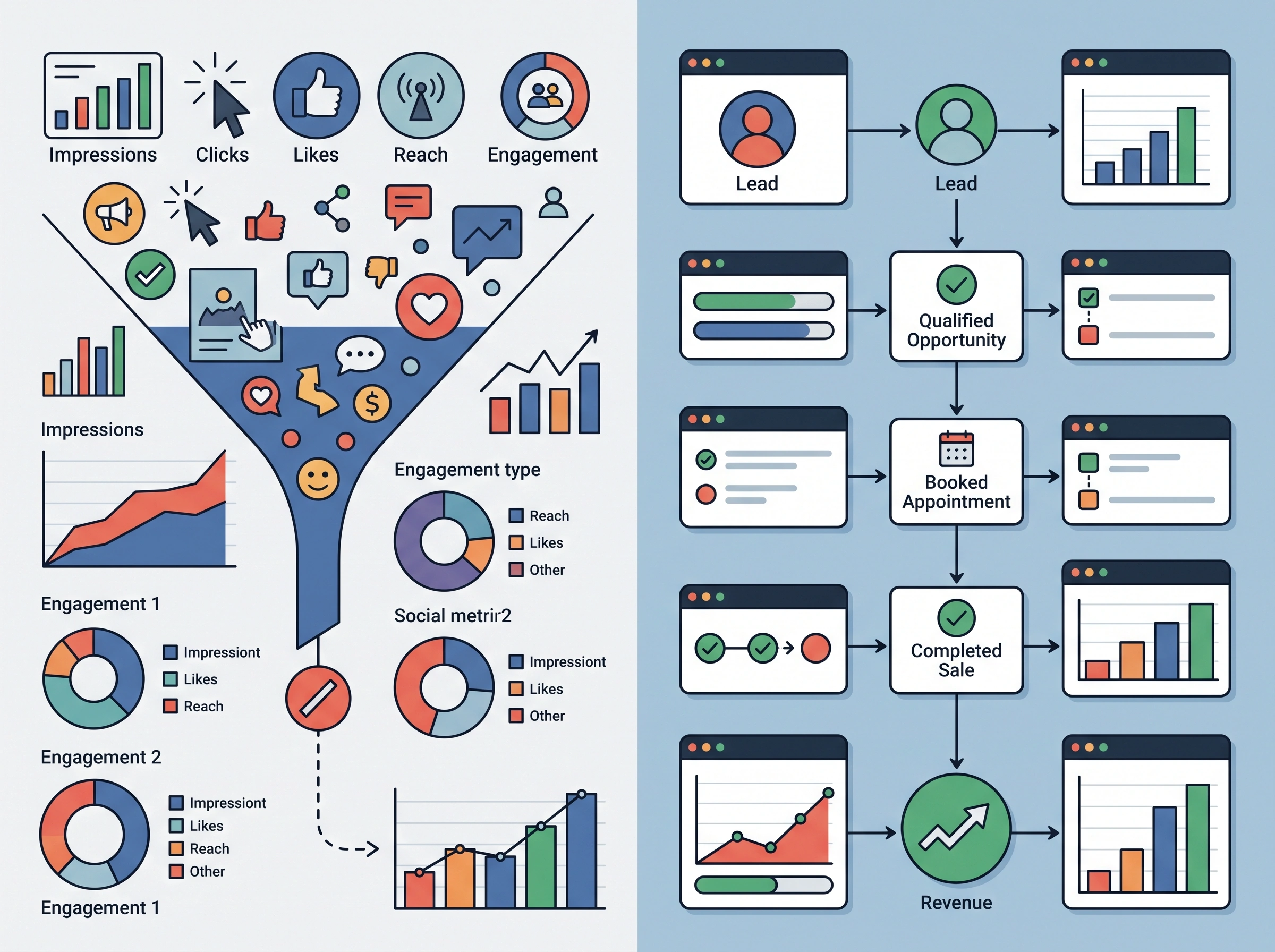
Reach and engagement look good on a monthly summary, but they don't pay bills. If reporting stops at "here's how many people saw it" and never gets to "here's how many became paying customers," you're measuring activity instead of results.
What These Signs Actually Point To
None of these are really about lead volume. They're about what happens after a lead shows up, and whether anything is actually built to catch it, respond to it, and move it forward without depending on luck or memory.
A working AI and automation setup, built on a real marketing automation platform rather than a patchwork of separate apps, fixes exactly this. Leads get routed automatically. Follow-up starts within minutes instead of days. Reporting ties back to revenue instead of stopping at impressions. If two or more of the seven signs above sound familiar, that gap is usually worth closing before spending another dollar on ads.

Frequently Asked Questions
How do I know if I need a system instead of more ad spend?
If leads are coming in but conversion rate isn't improving even as spend goes up, that's a strong signal. More traffic into a process that already leaks won't fix the leak. It just makes it more expensive.
What's the fastest first step if this sounds like my business?
Start by tracking what happens to a lead in the first 24 hours after it comes in. If the answer varies depending on who's working that day, that inconsistency is usually the first thing worth fixing before touching ad spend at all.
If several of these signs sound familiar, the fix probably isn't a bigger budget. See how GrokOn approaches AI and automation and where a real system might be missing from yours.